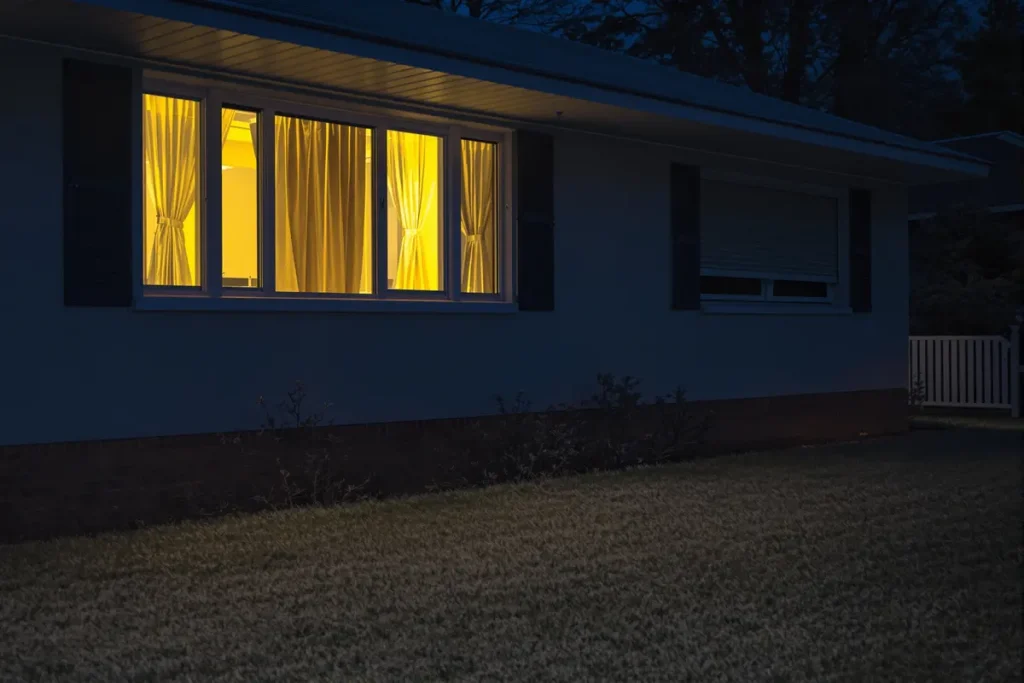
Ever noticed how your house cools down way faster after sunset, even if the temperature doesn’t drop that much outside? It’s not your imagination. Nights have a sneaky way of pulling the heat from your home. But why does this happen—and more importantly, how can you stop it?
What’s really happening at night?
As the sun goes down, so does your home’s natural heat source. During the day, sunlight warms your walls, roof, and even your windows. But at night, all that heat starts to escape. And fast.
The biggest culprit? Heat loss. Your home starts releasing warmth through its walls, windows, roof, and floor. This happens much faster at night because there’s no sunlight to help maintain the warmth you gathered during the day.
The main reasons your house cools quicker at night
It’s not just about dropping temperatures. Several hidden factors affect how quickly your home loses heat at night.
- Thin or poorly insulated walls: Heat escapes easily if there’s not enough insulation between you and the outside.
- Single-pane windows: These let heat leak out faster than double or triple-pane windows.
- Air leaks: Drafts coming from poorly sealed doors and windows suck warm air out and let cold air in.
- Basement or attic exposure: Uninsulated attics or basements act like open doors to outside temperatures.
- Thermal mass loss: Materials like tile or concrete release the heat they absorbed during the day once night arrives.
How to stop heat loss and keep your home warm
The good news? You don’t have to crank up the heater and watch your bills skyrocket. There are smart, effective ways to keep the warmth inside a little longer.
1. Seal the sneaky gaps
Use weather stripping and caulk around windows, doors, and baseboards. Even small cracks can let out a surprising amount of heat. Sealing them helps trap warm air where you want it—inside.
2. Add insulation (yes, it really helps)
Whether it’s in your attic, walls, or floors, insulation plays a huge role in temperature control. Even adding batt insulation or spray foam in hard-to-reach areas can make a big difference overnight. Don’t forget your attic hatch—it acts like a heat escape tunnel if left uninsulated.
3. Upgrade your windows—or hack them
If new windows aren’t in your budget, thermal curtains, window film, or bubble-wrap insulation can slow down the loss. Closing curtains right at sunset traps the heat you kept during the day.
4. Reverse your ceiling fans
Most people don’t know this trick: Set your ceiling fan to spin clockwise in winter. This pushes warm air that rises back down into the room, especially helpful at night.
5. Use rugs and fabric to trap warmth
Wood or tile floors might look great, but they can feel chilly fast after dark. Adding area rugs, throws, or fabric wall hangings not only blocks drafts—it keeps rooms feeling cozier longer.
Take note of where your heat goes first
Want to know where your home is bleeding warmth at night? Try this:
- Use an infrared thermometer to check corners, window edges, and outlets
- Try the candle test: Hold a candle near doors or windows—if the flame flickers, air’s moving
- Schedule a home energy audit for a full analysis
By learning which spots lose heat the fastest, you can fix them first for the biggest impact.
Quick wins for warmer nights
If you’re short on time or budget, start with these:
- Shut interior doors to keep heat in rooms you use
- Lay rolled-up towels against the bottom of doors to block drafts
- Adjust your thermostat schedule to boost comfort right before bedtime
Sometimes it’s the little things that keep your space feeling warmer longer.
Your warm home starts with simple fixes
Your house cooling down quickly at night isn’t just about the temperature outdoors. It’s about how well your home holds on to the heat it already has. By sealing gaps, insulating smartly, and working with your home—not against it—you can chase away that nightly chill. And sleep a lot cozier.